Can Lucid Dreaming Open a Door to the Spirit Realm?
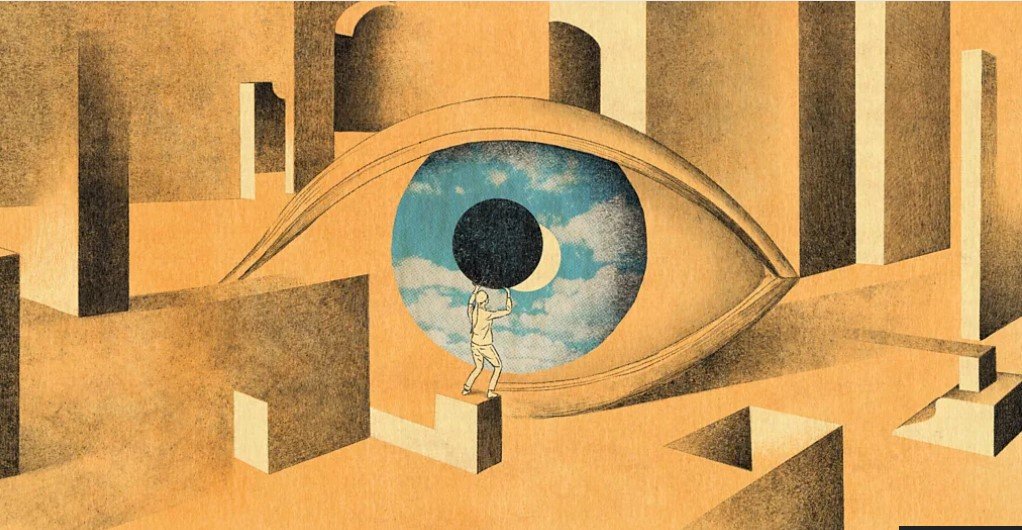
Photo from: Emmanuel Lafont, BBC.com
For as long as I can remember, dreams have felt like more than random images created by the sleeping mind. Across countless cultures and spiritual traditions, dreams have been viewed as gateways to hidden knowledge, spiritual realms, and encounters beyond ordinary reality. As someone who experiences lucid dreaming, I’ve come to understand why so many people believe there may be something deeper waiting for us on the other side of sleep.
Lucid dreaming occurs when the dreamer becomes aware they are dreaming while still inside the dream itself. In some cases, I can even influence what happens around me. To science, lucid dreaming is often explained as a heightened state of consciousness within the brain during sleep. But from my personal experiences, lucid dreams can sometimes feel far too vivid, emotional, and meaningful to dismiss as simple imagination.
There have been moments where the dream world felt less like a creation of my mind and more like stepping into another world entirely — a place that exists somewhere between consciousness and the unknown. Certain encounters, symbols, and conversations have carried an energy that stayed with me long after waking up. It’s experiences like these that make me question whether lucid dreaming could truly serve as a bridge to the spirit world.
Many spiritual beliefs suggest that when we sleep, our consciousness becomes more open and receptive to energies, entities, or realms normally hidden from us in waking life. As a lucid dreamer, I’ve often wondered if becoming consciously aware within the dream state allows us to interact with these spaces more intentionally. Whether these encounters are psychological, spiritual, or something we simply do not yet understand, lucid dreaming continues to blur the line between the inner mind and the paranormal.
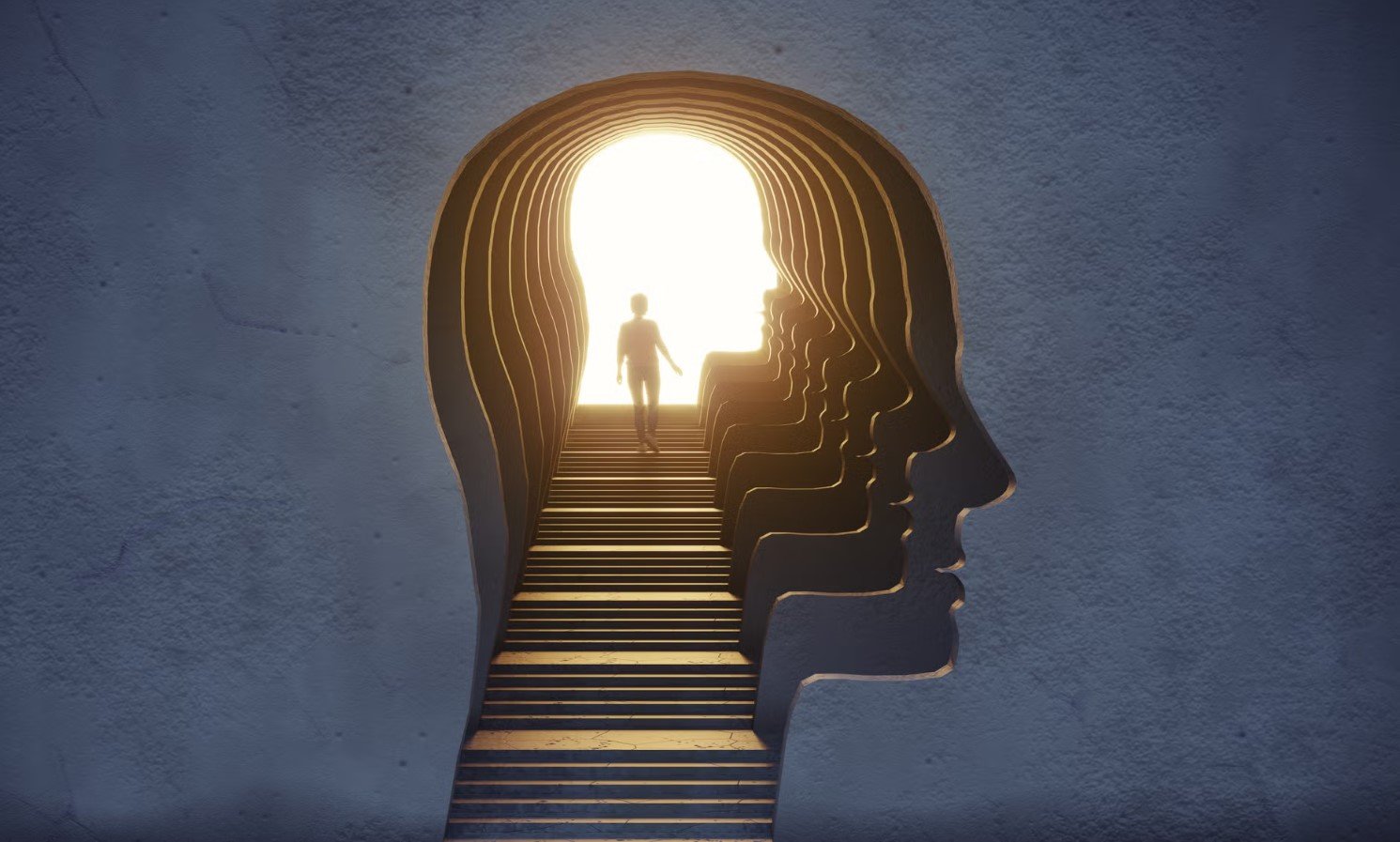
Photo from: Getty Images
For me, lucid dreaming is more than just controlling dreams — it feels like exploration. A journey into hidden layers of consciousness, mystery, and possibly even the spirit realm itself.
So, join me on this exploration, while I delve into lucid dreaming and its connection to spiritual traditions, astral projection and encounters with entities in the spirit world.
Way before science began studying lucid dreams, a variety of cultures viewed dreams as a bridge between liminal spaces. Shamanic traditions, considered dreams as a form of “soul travel”, where the spirit of the dreamer temporarily leaves the body to venture into other realms.
These beliefs appear throughout cultures like:
Shamanic traditions describe dream journeys where practitioners communicate with spirits or ancestors.
Tibetan dream yoga teaches practitioners to become conscious in dreams to explore deeper spiritual truths.
Ancient Greeks dream temples believed dreams could deliver messages from the divine.
Within these traditions, lucid awareness during dreams is often interpreted as the moment when the dreamer becomes capable of intentionally navigating spiritual dimensions.
Another concept connected to lucid dreaming is astral projection – the belief that a person’s consciousness or soul can leave the physical form and travel through other realms.
Some spiritual practitioners see lucid dreams as a gateway to astral travel, where a dream becomes the launching point for entering a non-physical reality. However, there are differing interpretations:
Science believes lucid dreams occur entirely within the dreamer’s mind.
Meta-physical believers believe lucid dreams and astral projection exist on a continuum of spiritual experiences.
Certain spiritual teachings claim lucid dreaming is a subjective dream realm, while astral projection involves visiting an objective spiritual plane.
Because both states involve vivid sensations such as flying, floating and leaving our physical form, many people share accounts of difficulty distinguishing between them.
Many lucid dreamers detail meeting beings within their dreams – figures that sometimes feel otherworldly.Some interpret these figures as spiritual guides, ancestors or ghostly spirits.
Researchers note that these types of experiences often are influenced by cultural expectations and beliefs. In dreams, expectations strongly shape the environment and characters encountered. For example, one dreamer may believe in spiritual entities and interprets dream figures as real spirits, while someone with psychological perspective may view them as manifestations of the brain.

Photo from: Getty Images
From a scientific standpoint, lucid dreaming is explained as a neurological manifestation that develops during REM sleep. Brain imaging shows increased activity in areas responsible for decision making and self-awareness during lucid dreaming states.
Some scientists propose that the dream body experienced in lucid dreams is really the mind representing the physical body rather than the spirit leaving the body and dreams are highly immersive so the sensations of flying/floating can feel indistinguishable from an actual out-of-body experience.

Photo from: Zoe Hansen, VeryWellMind.com
Despite scientific interpretations, many people continue to associate lucid dreaming with spiritual exploration. There are a few factors that may contribute to this belief:
Extreme realism – Lucid dreams can feel as vivid as waking life.
Altered perception of space and time – Dream environments may appear expansive, symbolic or otherworldly.
Encounters with meaningful figures – Dream characters may deliver insights or messages.
Cross cultural spiritual traditions – Many belief systems describe dream travel as real spiritual practice.
These experiences feel profound, leading dreamers to interpret them as direct communication with spiritual realms.
For me, this journey into the “why” behind lucid dreaming, sits at a fascinating intersection between neuroscience, spirituality and psychology. Whether it’s viewed as purely an internal experience or a possible doorway to an unseen realm, it definitely offers a one of a kind opportunity to explore the depths of consciousness itself.
As a lucid dreamer, I’ve come to see these experiences as more than just vivid dreams. They’ve become a deeply personal space where intuition, spirituality, and self-discovery intertwine. Within these dreamscapes, I’ve encountered moments that felt symbolic, emotional, and sometimes even otherworldly — experiences that continue to challenge the boundaries of what we understand about consciousness. Whether lucid dreaming is purely psychological or something more spiritual, it has expanded the way I view the mind, the unknown, and the mysteries that may exist just beyond our waking reality.
Written by: Rachel DeMicco
—————
Sources:
Stephen LaBerge, Lucid Dreaming.
Supernal Dreaming: On Myth and Metaphysics, Religions Journal.
Mindberg, Lucid Dream Meaning & Interpretation.
Astral Projection and Lucid Dreaming: How They’re Related.
Getting Lucid About Lucid Dreaming, The Philosophical Quarterly.