Indiana State Sanatorium
A Century of Healing, Heartbreak, and Haunted History
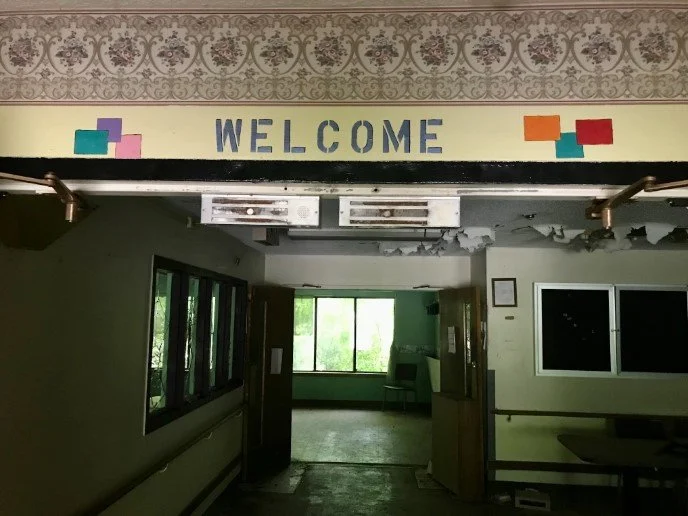
Everybody who explores the dark corridors of the Indiana State Sanatorium has sensed it. The silence deepens. The darkness expands. The musty air hints at phantom scents. The corridors echo memories of long ago.
The grounds of ISS is where history lives on, beyond old photographs. It lingers in the peeling and decaying walls, the crunch of the worn tile, and rubble underneath your feet. The soul of the Sanitorium is ready to welcome those brave enough to come say hello.
However, Indiana State Sanitorium’s reputation was far from what it is now, after time had morphed it into one of Indiana’s most infamous locations.
Instead, Indiana State Sanatorium was viewed as a source of hope.
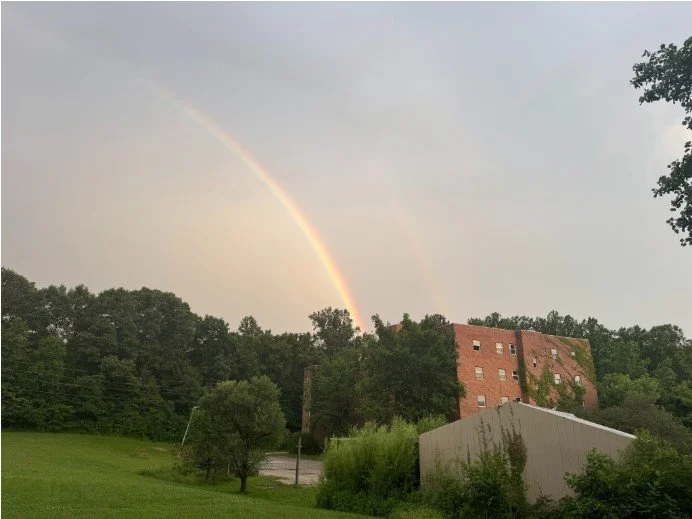
The Fight Against the White Plague
Opening in 1908, Indiana State Sanatorium was constructed to function as a state-run tuberculosis hospital. It was a place of healing for a desperate population, suffering from an unstoppable disease. A disease that was often fatal.
During this moment in history, tuberculosis (TB) was the deadliest infectious disease in the United States.
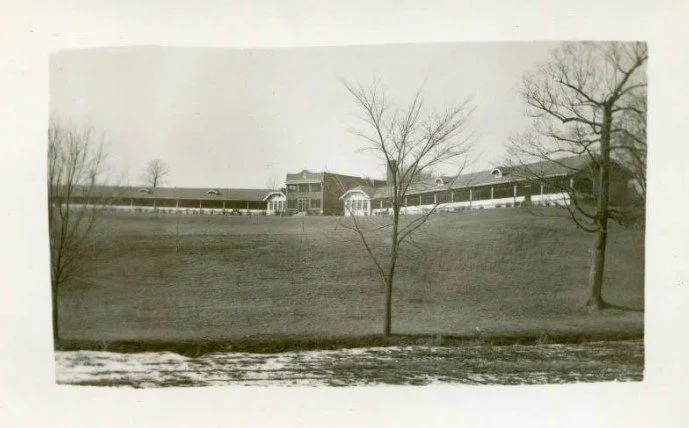
Prior to the discovery of an antibiotic treatment, physicians relied on natural remedies and isolation to treat those stricken by the White Plague. They believed fresh air, rest, better nutrition, and an abundance of sunlight provided the highest chance for recovery. Having all of the infected isolated in sanitoriums, away from the general population, to slow the spread was an additional benefit.
Because TB was highly contagious, many patients stayed for months. Some lived there for years. Others never left.
Unlike hospitals of the modern age, Indiana State Sanatorium functioned as an entirely self-sustaining community.
At its peak, the campus included:
Greenhouses
A dairy barn
Chicken coops
Pig sties
A slaughterhouse
Cheese production
A beauty salon
A church
A school
A power plant
A water treatment facility
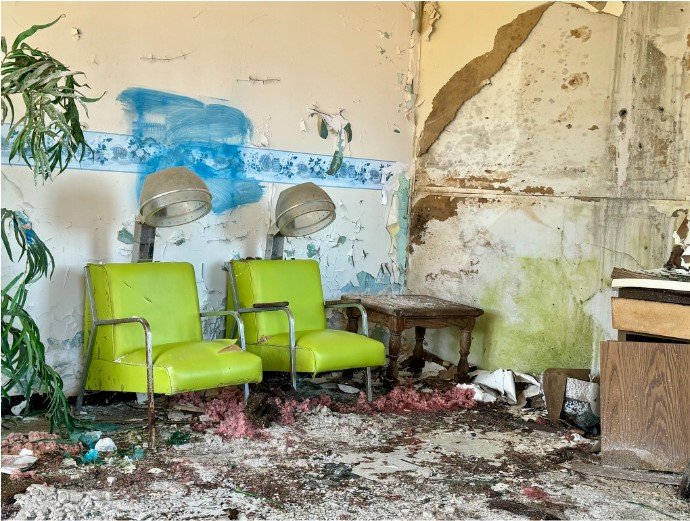
Besides long term patients, many staff members also lived on-site, creating what was essentially a small town dedicated to caring for tuberculosis patients.
But one discovery in 1946 changed the trajectory of Indiana State Sanitorium, and the United States as a whole: streptomycin
The introduction of effective antibiotic treatments, particularly combination drug therapy, dramatically reduced tuberculosis deaths and long-term hospitalizations. As treatment shifted from isolation hospitals to outpatient care, facilities like Indiana State Sanatorium were no longer necessary.
The tuberculosis sanatorium in Rockville, Indiana officially closed its doors in 1968.
But they didn't remain closed.
A New Purpose
Remaining vacant until 1976, the property was reopened to serve as a nursing home facility.
The newly dubbed Lee Alan Bryant Health Care Facility was made possible by the state deciding to privatize and sell the abandoned property. The Chicago family who purchased and ran the facility took inspiration for the new name from their middle names: Lee, Alan, and Bryant.
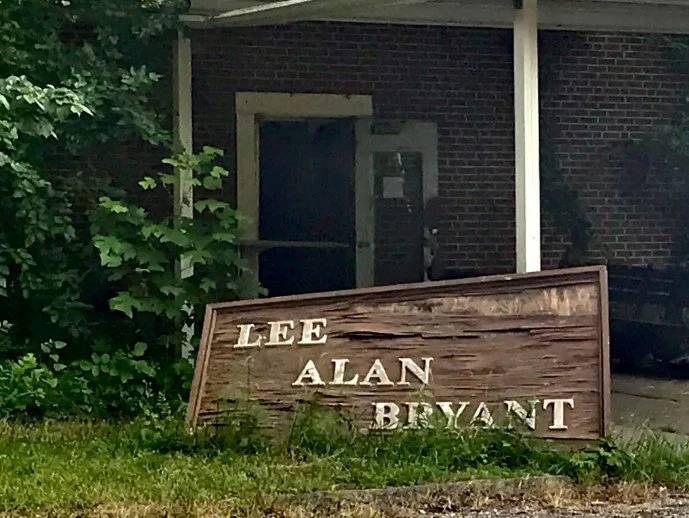
Anticipating state funding and a steady stream of residents from another facility closure, a pivot was needed when those plans fell through. To make up for some of the deficit, they decided to expand their services in order to accept psychiatric patients. The psychiatric unit from a different hospital had closed down and needed somewhere to place their expelled patients.
This transition was controversial within the surrounding community.
The buildings were organized according to patient needs:
The first two floors of the five story housed medical offices, treatment areas, and both male and female identifying patient rooms.
The third floor housed female-identifying patients who could not safely be around men.
The fourth floor housed male-identifying patients who could not safely be around women.
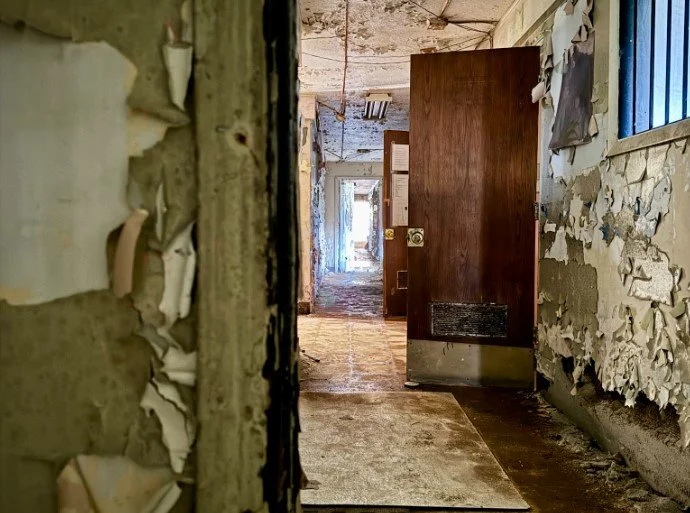
The fifth floor housed violent male identifying patients. Administrators reportedly believed the upper floor offered additional separation from other residents and slowed access throughout the building. However, the units were not well-secured.
The Final Chapter
Issues stemming from underfunding and understaffing became a recurring theme during the facility’s era spent as a nursing home / psychiatric hospital. By 2011, those problems had become impossible to ignore.
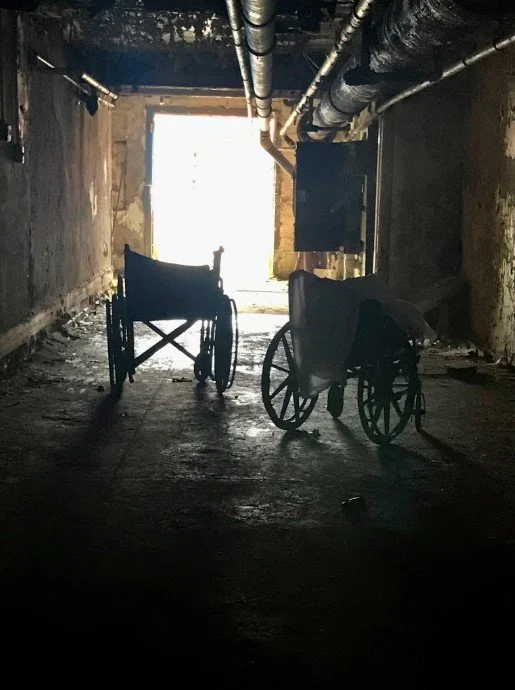
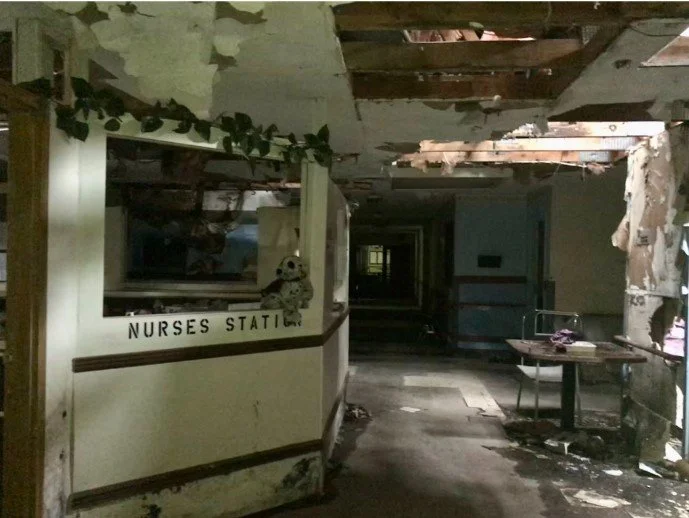
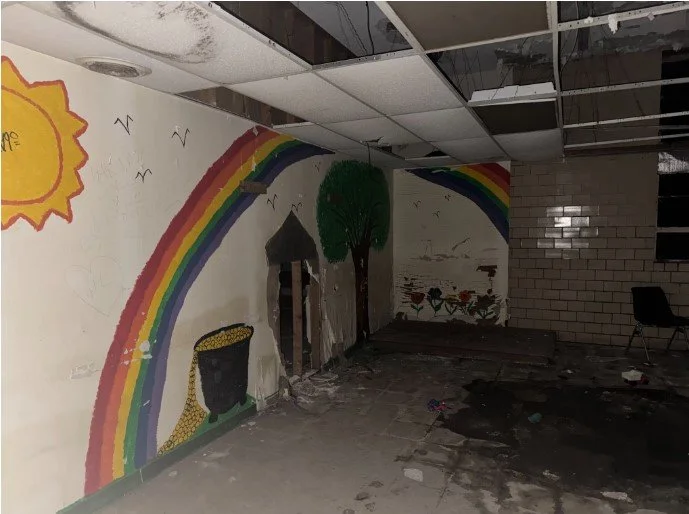
State officials revoked the facility’s operating license amid allegations including: severe neglect, financial problems, malpractice lawsuits, and wrongful death lawsuits. U.S. Marshals came to assist resident relocation. The closure happened so suddenly, much was abandoned entirely. Anything from hospital equipment to patient files and private belongings can still be found where they were tossed and forgotten.
Local lore surrounding the closure highlights one of the most heartbreaking aspects of this no-win situation: expelled residents with no home, family, or support system to take them in were given $50 cash, all the personal belongings they could carry in a suitcase, and put on the next bus out of Rockville.
Lives Lost
During its century of operation, an estimated four thousand deaths have occurred on the property. Many of which were tuberculosis patients. On the grounds, adjacent to the Sanatorium’s water tower, lies a plot of land believed to be a pauper’s grave. Yet it's the era following the tuberculosis hospital responsible for many tragedies that still fuel stories and legends spoken about in hushed tones today. But each era of Indiana State Sanitorium has had a profoundly lasting impact on the property.
The optimism surrounding the first time its doors opened to the public, offering salvation.
The hope for comfort and peace during the final days of a long-lived life.
The fear and confusion from a troubled mind.
The pain and loneliness of being abandoned.
Indiana State Sanatorium feels just as alive today, having never let go of those human emotional imprints.
Documented incidents include:
Multiple suicides involving access to the roof, including one tragic incident in which one person jumped from the roof, fell through a canopy below, and onto another individual, resulting in both deaths.
A murder-suicide involving three staff members in the underground tunnels.
A resident who died after suffering catastrophic burns when a steam radiator pipe reportedly failed.
Residents who wandered away and later died in nearby waterways or after being struck by vehicles on the highway.
One man reportedly became trapped in a beaver dam for two days before drowning in the creek behind the Sanatorium.
These are not ghost stories. They are documented human tragedies that occurred during the building’s final decades as a care facility.
Remembering the People Behind the Legends
Today, the Indiana State Sanatorium is often discussed because of its paranormal reputation. Paranormal investigators arrive hoping to capture voices, shadow figures, or other unexplainable activity.
Whether you believe in hauntings or not, it’s worth remembering that the building’s true story is compelling enough on its own.
For more than 100 years, it witnessed extraordinary medical advances, countless recoveries, unimaginable losses, and the successes and failures of institutional care.
Behind every legend is a person who once walked these halls.
And perhaps that’s the part of the story worth carrying with us long after we leave.
—————
🕯️ History vs. Legend🕯️
One of our favorite things to do at the Spooky Sisterhood is separate what we know from what people have experienced. Historic locations deserve both curiosity and respect, especially places where so many people lived, worked, suffered, and died.
👻 Paranormal Investigations and Experiences at ISS
As always, we encourage respectful investigation. Every abandoned hallway, weathered doorway, and whispered legend belongs first to the people whose lives shaped this place, and it’s important to remember that many people who lived and worked at the Indiana State Sanatorium when it was the Lee Alan Bryant Nursing Facility, are still living, or have living family members.
Have you investigated the Indiana State Sanatorium?
We’d love to hear your experiences. Did you capture something you can’t explain, or did the history leave the biggest impression? Share your stories in the comments, and remember: every haunted place is a historic place first. 🖤
Written by: Andronike James
—————
Sources:
Indiana State Department of Health. History of the Indiana State Sanatorium and Tuberculosis Treatment in Indiana. Also see the Indiana Medical History Museum and the Centers for Disease Control and Prevention for the history of tuberculosis treatment and antibiotic therapy.
Contemporary reporting by the The Times of Northwest Indiana and the Indianapolis Star documented the closure of the Lee Alan Bryant Health Care Facility in 2011, including the loss of its license, lawsuits, and the relocation of residents.
Steve Cecchin, ISS historical preservationist.
Tenement Museum. (n.d.). The white plague. Retrieved July 11, 2026, fromhttps://www.tenement.org/the-white-plague/
Luce, C. (2020, May 9). Scientific discovery of streptomycin - 1946. In C. Luce, The white plague in the city of angels. Scalar. https://scalar.usc.edu/hc/tuberculosis-exhibit/scientific-discovery-of-streptomycin
Photos: First black and white photo: Indiana Memory. (n.d.). Indiana state sanatorium Rockville, Indiana. Photograph. Indiana State Library Digital Collections. https://indianamemory.contentdm.oclc.org/digital/collection/p16066coll67/id/1466 All other photos - Andronike James.