Embracing the Visceral
Kourtnea Hogan and Indie Innovation in Horror
As fun as big budget popcorn flicks at the movies can be, horror film enthusiasts know that the indie film scene is where artistry and innovation thrives. Throughout the history of the genre, low budget horror films have reinvigorated the genre, confronting taboos, pushing the bounds, and providing social commentary into the darkest aspects of life. The horror genre will always be uplifted and built by those who live in the shadows, those who pop up when you least expect it. Which, honestly, could not be more fitting for the genre. Independent filmmaker, author, and horror enthusiast, Kourtnea Hogan has a vision - one that may soon influence our nightmares.
Who doesn’t love a good scare?
With elevated horror being mainstream horror’s ‘flavor of the decade,’ what once felt new and fresh has now become stagnant - leading some horror lovers to question: what’s next?
“I'm kind of tired of it,” Hogan said in regards to elevated horror. “There's obviously films from those genres that I really love, but I've been getting really worn down by the style.”
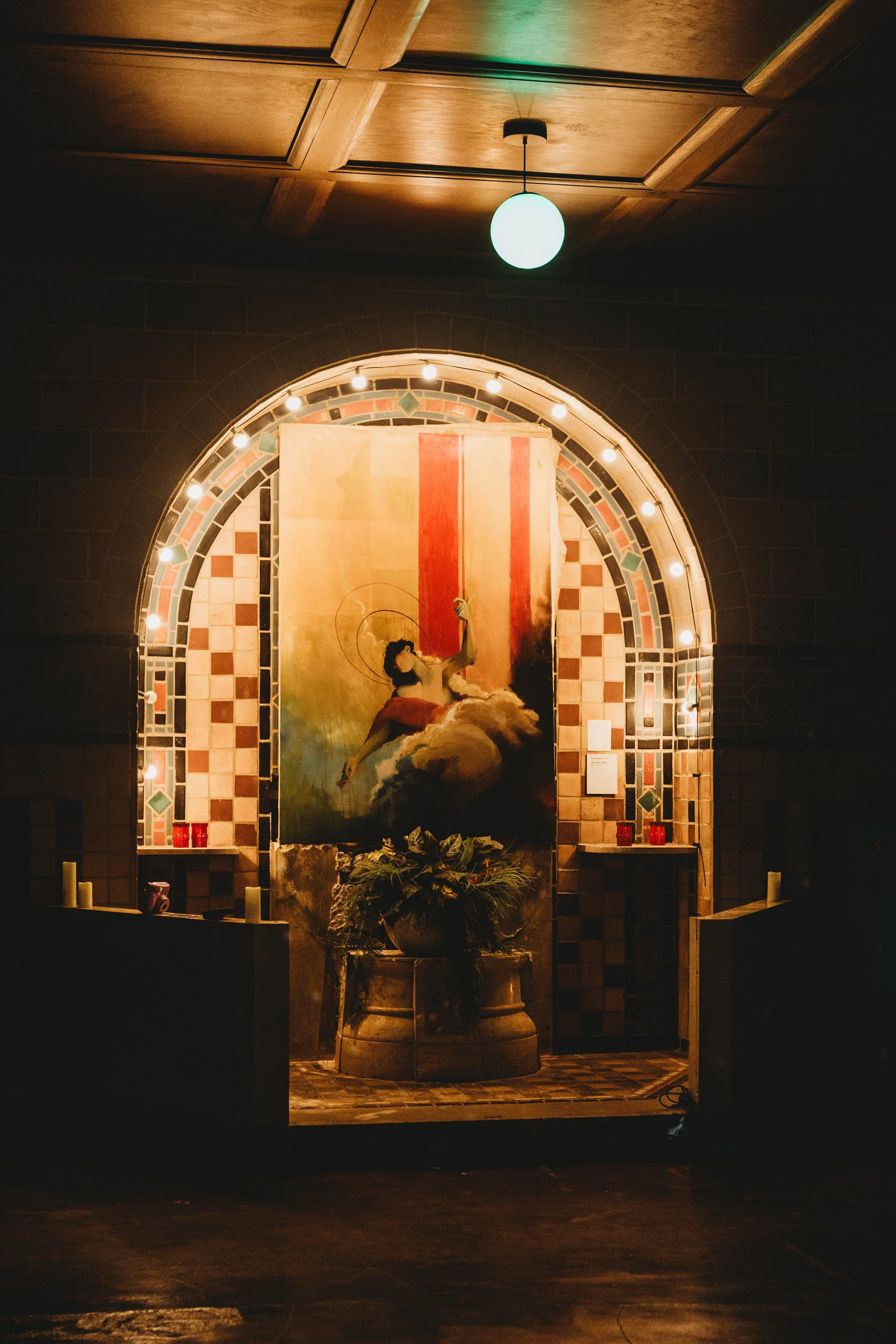
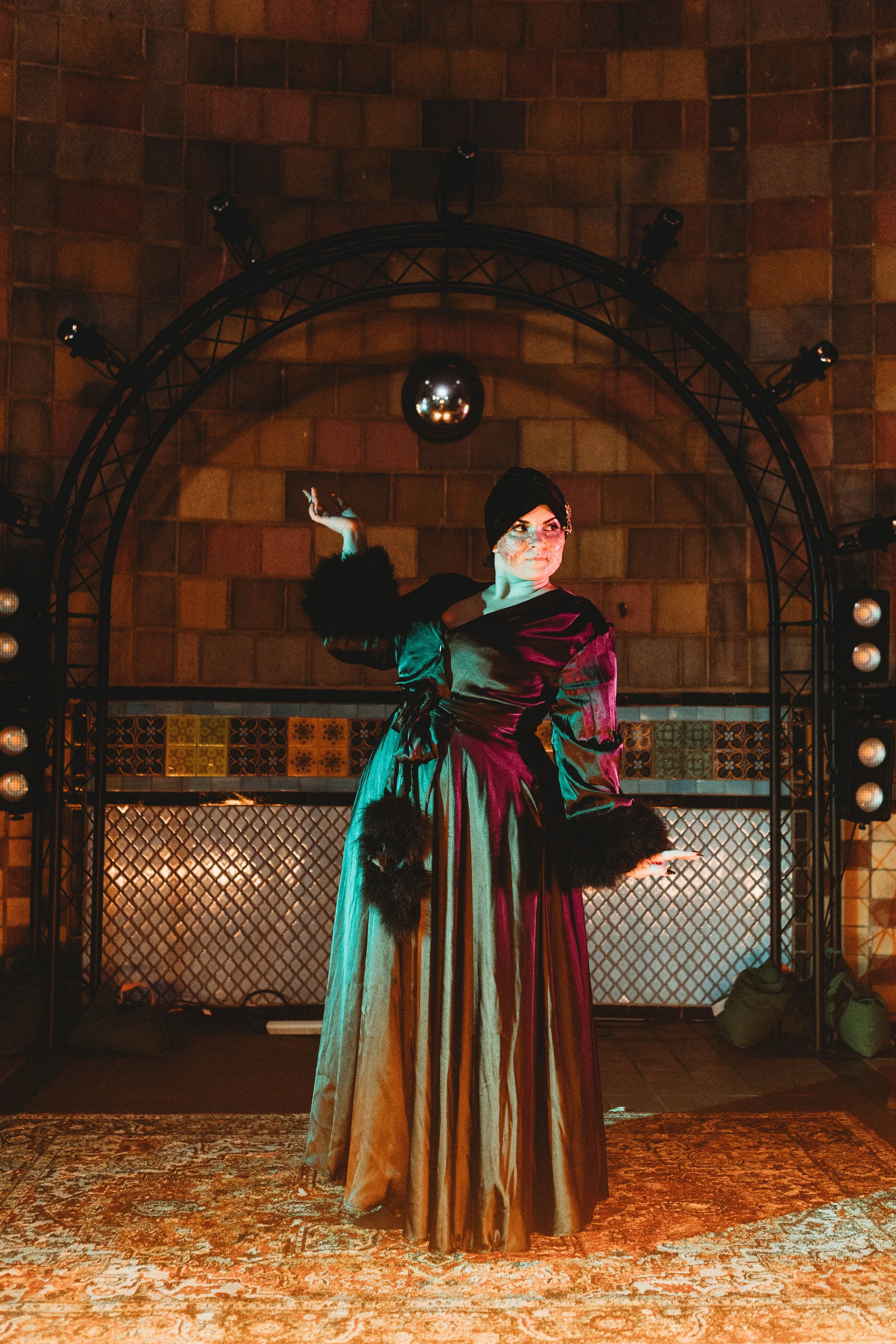
Hogan’s current film project, Mannequin Haus, sharply pivots from the gritty realism that Hollywood has fallen in love with over the past decade, and instead embraces an arthouse flavor of genre.
“I like old movies where you can tell they are using sets and matte paintings, and it's ok because that's just how the world looks,” she said. “I like a lot of miniatures, odd composite shots, and colorful lighting.”
Classic films such as The Texas Chainsaw Massacre, The Evil Dead, and The Blair Witch Project show how successful human ingenuity on a budget truly can be - which coincidentally plays a large role as to how and even why they reached the coveted ‘Classic’ status.
“Because the film [Mannequin Haus] is so visually focused, a lot of the ideas were me sitting and thinking, “That would look neat,” Hogan said. “I just thought of weird visuals and looked at a lot of art books and watched old movies for inspiration and Frankenstein'ed ideas together.”
The embracing of messy, fascinating practical and special effects, incorporating different styles and compositions of art - and even blowing raspberries at the very concept of ‘perfection’ - is what makes these sorts of horror films stand out.
Mannequin Haus is not Hogan’s first foray into the art form. Her first project was Order of The White Worm. Following that, she released her first novel, Consume. This story was then adapted into film.
Overcoming perfectionism in art was one of several lessons Hogan has learned over the course of her work delving into the indie horror scene.
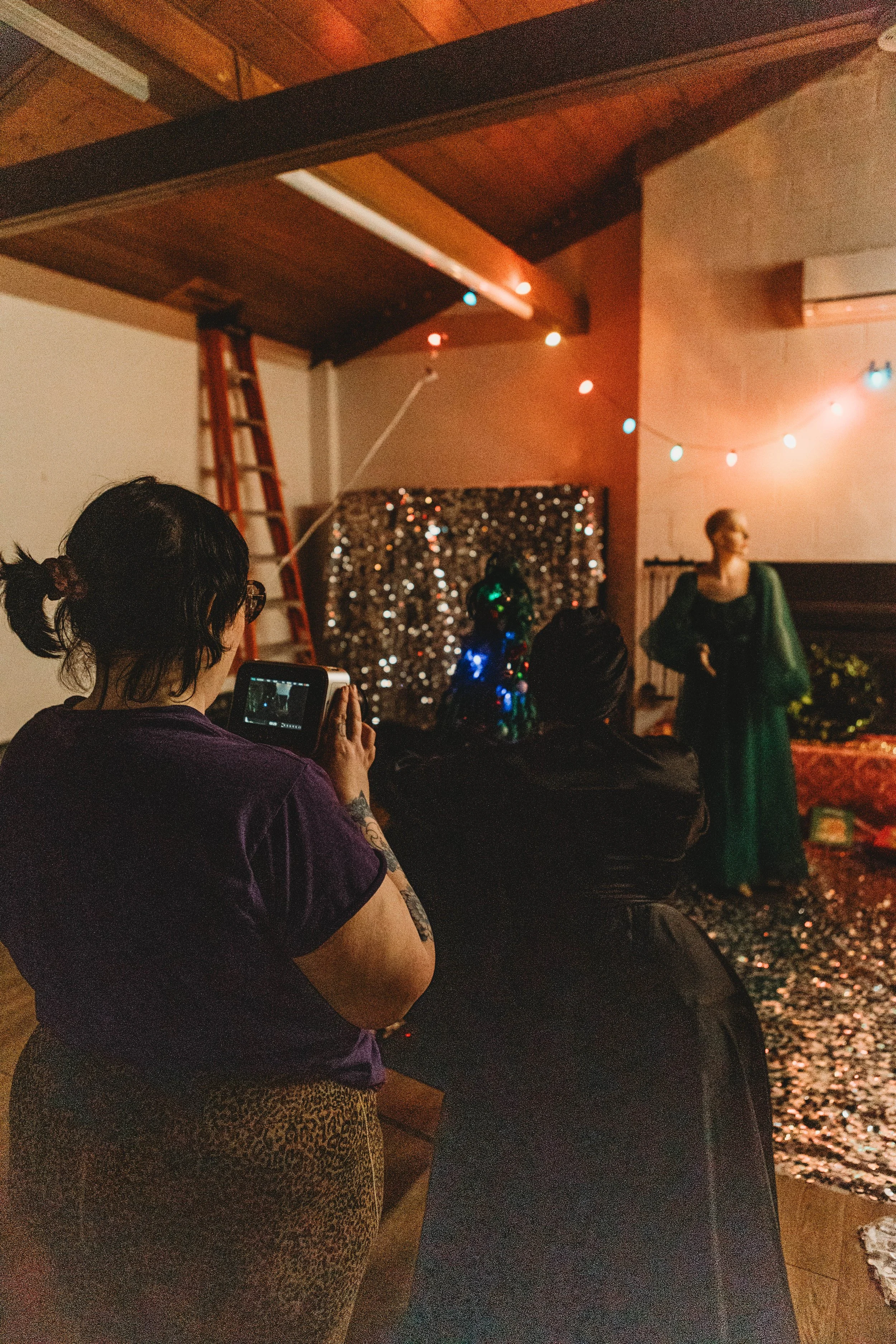
“Honestly, it is so hard to make something without quite a bit of money, so doing something so indie is always going to be a struggle, but I love it,” she said. “I really learned how to better spend my time, how to create a better flowing schedule, how to reach out to and speak to locations, and, most importantly, how to let go of the perfect image you have in your head.”
After finding inspiration from various sources, mapping out visual aesthetics, and writing up more drafts than she had ever gone through previously - Hogan then crowdfunded the project and assembled her Pittsburgh team.
“I always work with the same crew and they're just phenomenal,” she said, thankful for the talented individuals she has met through her art. “I couldn't accomplish anything without them. I'm really constantly in awe of the makeup artists I work with and the people I went to film school with who are willing to help me out behind the scenes. It was just such a friendly and talented group of people that are so cool and I'm so happy I got to work with them. I had a friend who helped me out with one of the miniatures and he did such a great job. I'm so pumped for everyone to see all of them, but especially the one he created. They were amazing and supportive at every turn when anything went wrong on set, which is bound to happen at least one day on an indie film. I am really excited for people to see what is possible to do with less than $20,000.”
Following the footsteps of horror creators before her, Hogan is one of many creatives who has embraced practical effects and uses its visceral presence to enhance her work.
“I always say that my favorite kind of horror is the kind where people melt, and nothing melts better than wax,” she said. “I actually used a large wax torso for a body horror short film I did called Bug Chasing, and I loved the look of it. It ended up turning out to be really disgusting looking.”
Hogan has never been one to shy away from the grotesque.
“One of my favorite movies is Hellraiser,” she said.“The coolest part is Frank coming back to life. That's just a wax figure being melted and played in reverse. I knew immediately I wanted to do a fire scene and have someone melt. Wax as skin in horror is so classic and I'm not sure why we've let that level of nasty go.”
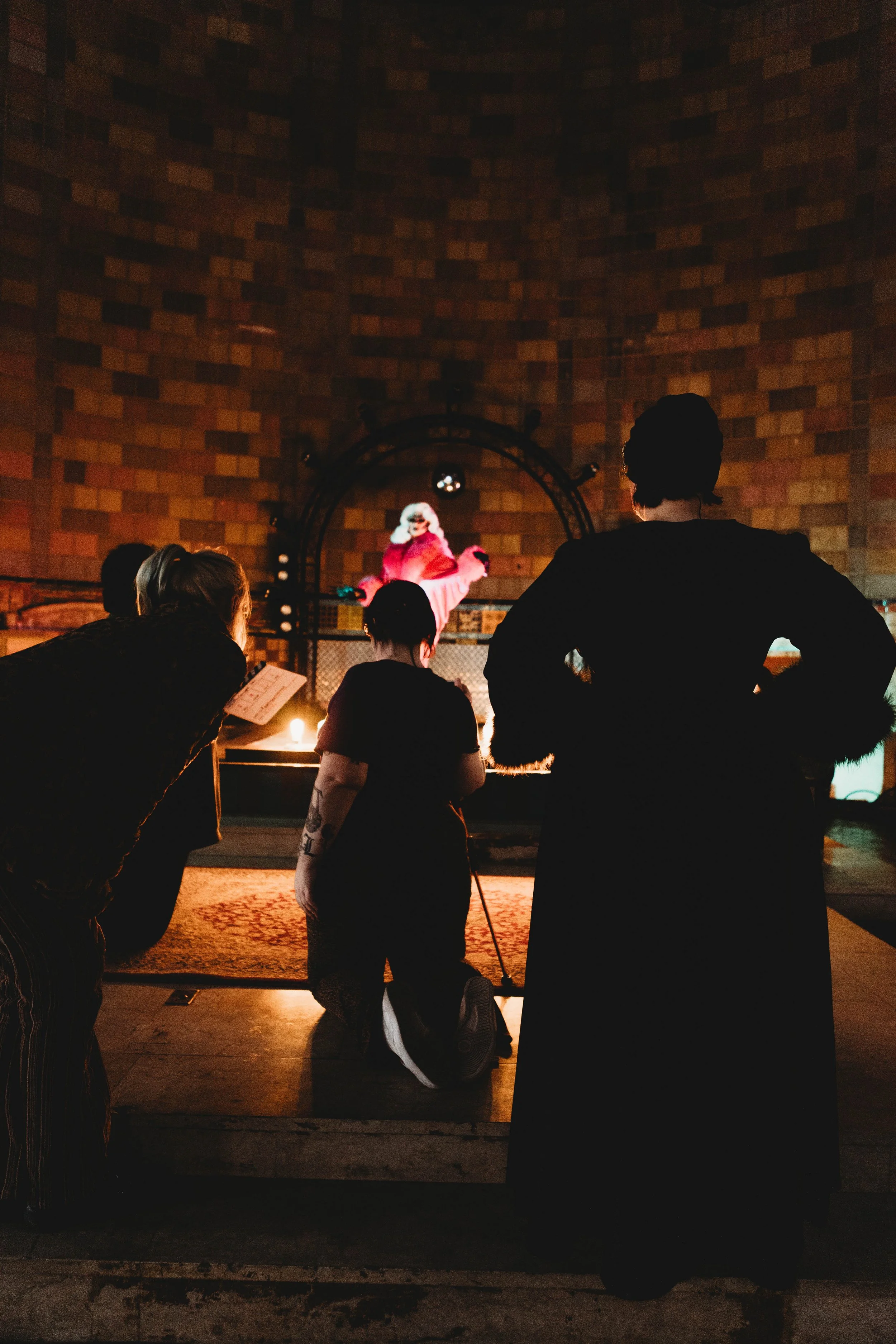
Hogan’s work proves her dedication to bringing back the more technical and creative aspects of practical effects, exploring body horror and gore. Her novel-turned-film, Consume, was a prime example of this. However, it is not the only part of horror she is drawn to.
“It's always been this huge part of my personality,” she said about the genre. “I just find it all really comforting in a way.”
Being raised by a horror-loving grandmother, the genre proved to be more than just a source of entertainment while growing up.
“She was definitely my biggest horror influence,” Hogan said in regards to her grandmother’s expansive lessons covering the genre and its vast array of niches and styles. “I like a little bit of everything because I watched everything with her. I'm not stuck on one particular kind of horror or one director or anything because I can appreciate all kinds of stuff; from Mario Bava lighting to the special effects work in The Thing, or the gore of French extremity, I really do like it all.”
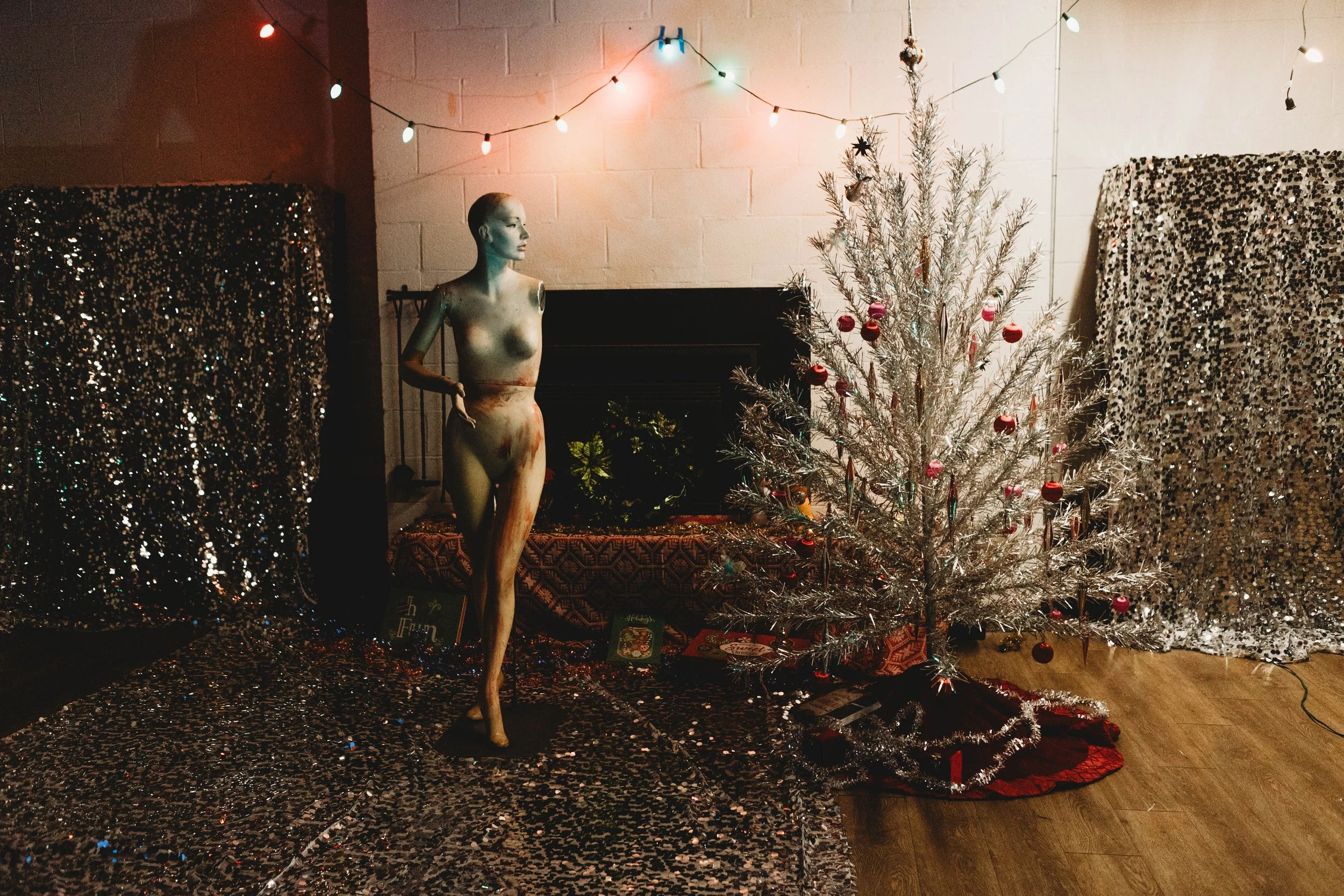
Mannequin Haus explores beyond the body horror of her previous work, displaying that wider range of appreciation towards the genre. This brings us to the topic of mannequins.
Historically, mannequins used to be built out of wax. After learning this, Hogan was intrigued - finding the concept particularly creepy and weird.
“I love a good wax museum,” she said. “I think there's a real craft that goes into making something like that, that truly does have a lot of soul poured into it that fascinates me.”
Quick question, which is grosser: a modern, plastic mannequin? Or a mannequin that looks covered by something akin to flesh? Really amps up the uncanny valley nature even more than normal.
“There is something a lot more skin-like,” she said. “You really could think a soul could be trapped in there.”
So many urban legends have been created from this concept, alone. Is that a mannequin just a mannequin? Or, is it the corpse of the deceased? These legends and rumors swirl and combine in the human consciousness all throughout the world and have done so for centuries.
At this moment in time we are experiencing a dystopian rise of AI generated content infiltrating not only every corner of the internet, but life itself. The fears that naturally tag along with this technology (and all new technology) will definitely have an impact on the media landscape. Exploring the uncanny in humanoid shapes such as mannequins seems especially fitting…especially paired with the nostalgic feel of old-school video filming techniques.
We have yet begun to see the full impact of this new technology on our society, but the outcry leads credence to the idea that the more inescapable AI becomes, the more art created by living, breathing, imperfect humans will be not only craved, but coveted.
The indie film scene has been, and will always be, a bastion for art starved consumers seeking something more interesting. Something more creative. Something more…human. Supporting the creatives in these industries will continually grow in importance to combat the arts being stripped of everything that makes it art.
When it comes to the horror genre, it has proven time and again throughout human history that the more it connects to humans and society, the more it succeeds. Whether it provides a snapshot of society during the time it was created (i.e. Night of the Living Dead, Candyman), dives deep into the human psyche (i.e. Hereditary, The Shining), or examines the experiences of oppressed groups (i.e. Get Out, Sinners, Rosemary’s Baby, Jennifer’s Body, I Saw the TV Glow) - horror will always play a large role when it comes to society collectively exposing the dark parts of life. Then, subsequently helps us to heal and overcome those hurts and fears. Because of this, horror will always be important for creatives to explore, create, and share. It is up to all of us to help support those creators to continue shining their flashlights into the darkest pits.
Interested in exploring the uncanny, waxy world of “Mannequin Haus”? Keep an eye out for the trailer, due to be dropping soon. Make sure to follow Kourtnea Hogan’s other creative endeavors, as well. Her second novel, “Spider Baby,” will be published this summer, along with her short story, “The Spine of the Earth,” coming out in a “Monsters” anthology in July. She also publishes academic articles, currently workshopping one covering Capitalism and Cormac McCarthy. She has contributed stories and articles to publications such as Bloodletter Magazine and is part of the Morbidly Beautiful team. With plans for projects in mind, more will be seen out of this horror indie creator.
Written by: Bri Barger
All photos from Kourtnea Hogan
—————
Sources:
“Screaming On A Budget: Why Horror Needs Independent Film,” Brant Lewis | May 19, 2022
“Why horror thrives in the independent film circuit,” Aimee Ferrier | 10 October, 2023
“#HookonWiHM: Horror Writer/Poet Sara Tantlinger Interviews Horror Writer/Filmmaker Kourtnea Hogan” Sara Tantlinger | February 18, 2018
Links to some of Kourtnea Hogan’s work:
Consume, Kourtnea Hogan | July 29, 2022
“Gay Vampires: Metaphor, the Erotic, and Homophobia in Film and Television,” Kristin Lord & Kourtnea Hogan | 13 September 2023